In today’s rapidly progressing restaurant industry, truly understanding your customers is not just beneficial – it is essential for growth and survival. Have you ever wondered why some restaurants are always having their tables full while others are struggling to attract repeat guests?
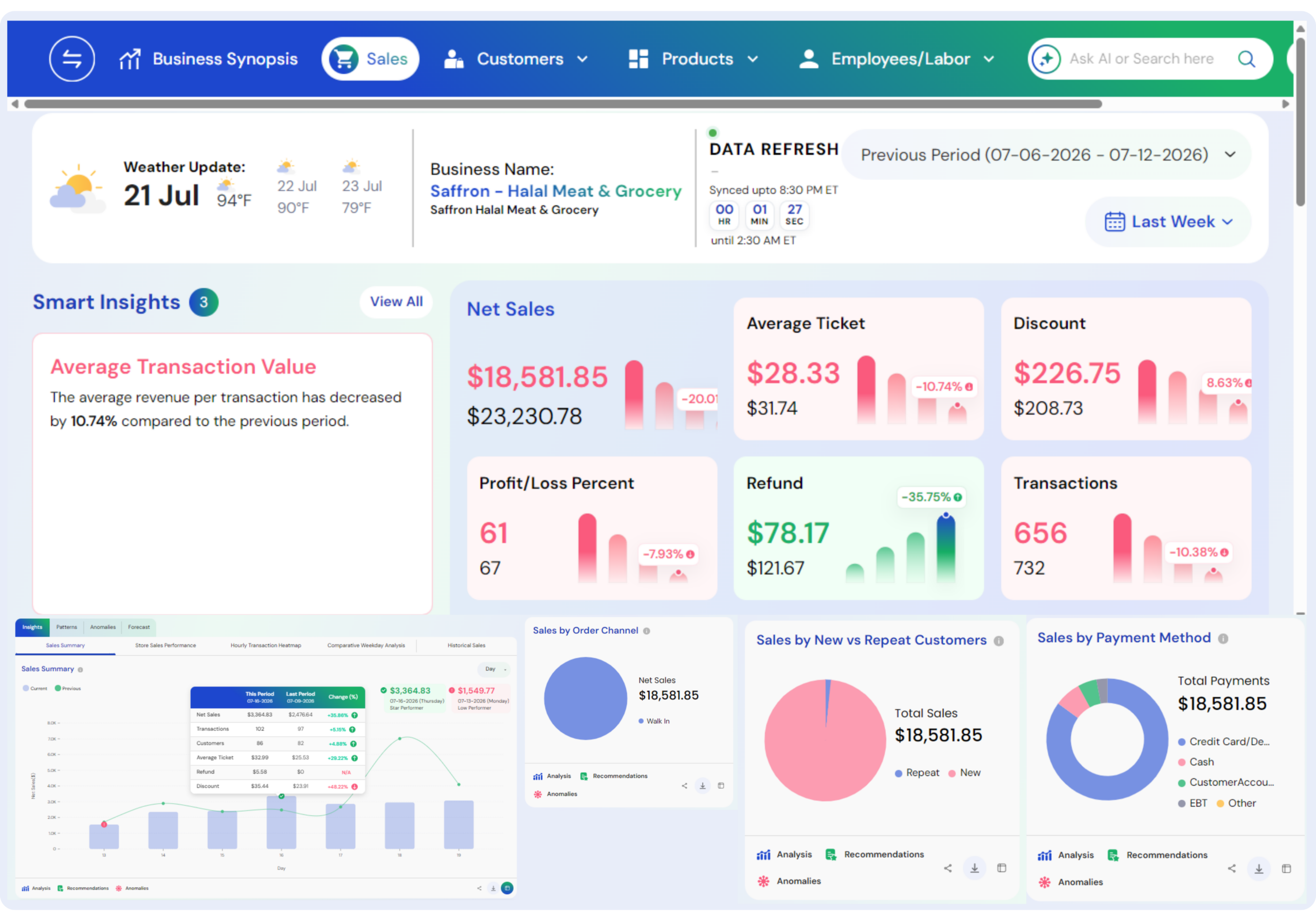
Often the key to achieve success lies hidden in restaurant customer data – particularly in the customer analytics for restaurants generated by your Point of Sale(POS)system.
Every order your restaurant processes generates valuable customer insights from POS – revealing who your customers are, what they love to eat, when they visit, and how much they spend.
Beyond just tracking sales, utilize such customer data to optimize your menu, customize marketing strategies, and create a more personalized, enjoyable dining experience your customers will remember and return for.
Customer analytics for restaurants converts raw data into powerful insights that help you further understand and connect with guests on a deeper level.
Assume the impact that will make to your restaurant operations if you get to know about the menu items that your customer regularly eats, identify slow days that could benefit from promotions, or personalize marketing campaigns for targeting different segments of customer groups.
Additionally, analyzing customer behavior through POS data allows you to customize the dining experience – which means adjusting staffing peak hours, launching special offers, or improving service quality.
Through this blog we will explore why customer analytics matter more than ever in the restaurant industry, and why using this information can help you to make smarter decisions, happier customers, and a successful business.
Also Read: Customer Sentiment Analysis for Multilocation Business Challenges and Solutions
Understanding POS Data: What it includes and Why it’s valuable
Your Point of Sale(POS) System works more than just a cash register – it’s a powerful data collection tool that helps you to capture a wealth of data every time a customer makes a purchase.
So clearly understanding what data your POS collects and why that data matters is the initial step to unlocking valuable customer insights that can help you to change your restaurant’s operations and customer experience.
Below are three key aspects of POS data and why is it important:
1. Types of Data Collected:
With each transaction, POS systems collect a variety of data. It includes sales data such as purchased items, quantities, and prices, payment methods whether cash, credit, digital wallets, timestamps such as date and time of purchase and also collects customer information if linked to loyalty programs or reservations.
It also collects inventory levels showing which ingredients are used and when they need to restock products. Such a detailed dataset creates a detailed picture of your restaurant’s daily operations.
Also Read: How Data Analytics can Help Restaurants Optimize Menus
2. Customer Behavior Insights:
Analyzing POS data helps you to find patterns in customer behavior. You can identify peak hours, well-sought menu items, and purchase frequency. For example, you get to know about appetizers that sell better even during weekday happy hours or some dishes that attract repeat customers.
This understanding will help you to customize promotions, adjust staffing, and optimize your menu on the basis of your real customer preferences rather than guesswork.
Also Read: What is Customer Sentiment Analysis and Why it Matters the Most for Restaurants and Retailers
3. Operational and Financial Benefits:
Accurate POS data helps you to smoothly manage inventory, reducing wastages and preventing shortages. It provides insights into sales trends that gives you information about pricing strategies and marketing efforts.
Further, tracking payment methods and transaction volumes can provide you with opportunities to improve payment processing efficiency. Overall, using POS data would lead to better decision makings, cost-savings and improved customer satisfaction.
By fully understanding what your POS data includes and its value, helps you to set the foundation for effective customer analytics that drive your restaurant’s success.
Also Read: How Livelytics Help Retailers Reduce Operational Costs
Key Metrics and Insights from POS Data:

Utilizing your Point of Sale(POS) system’s data is like opening a treasure box of insights that can greatly improve your restaurant’s overall performance.
It is only by analyzing these key metrics that you get to make smarter decisions, customize your menu, and deliver a better experience that keeps customers coming back.
Below are five essential metrics and insights that POS data can disclose, along with details about how you can use them to take your business to new heights.
1. Customer Visit Frequency and Retention:
Livelytics emphasizes that by tracking the frequency of how often customers visit your restaurant and the customers who return back which is important for building loyalty. POS data helps you to find repeat customers, track their visit intervals and find trends in customer retention.
Frequent repeat visits indicates a stronger customer satisfaction and brand loyalty. It is only by analyzing visit frequency that you get to know about your most trusted customers and make them happy with personalized offers or loyalty programs or special birthday offers.
Tracking retention rates early helps you to identify potential risks early – if customers stop returning, then it’s time to assess your service or menu.
Also Read: Key Metrics Every Restaurant Owner Should be Tracking
2. Popular Menu Items and Sales Trends:
Your POS system identifies the dishes that sell best and which items lag behind, providing you with valuable customer insights into customer preferences.
Understanding about your most loved dishes and underperforming dishes helps you to optimize your menu, highlight customer favorites, and also consider removing dishes that your customers are disliking. It helps for inventory planning beforehand which helps you to reduce waste.
Don’t forget to promote your best sellers through suggestive selling by servers. You must try new recipes on slower-selling days to test customer response. Occasionally adjusting your menu on the basis of sales trends helps you to improve customer interest.
Also Read: How Restaurants Can Predict Trends With Analytics
3. Average Check Size and Spending Habits:
Examining the average customer spend per visit provides you insight into your restaurant’s revenue trends and buying habits.
A higher average check size usually results in greater profitability, and tracking this parameter helps you to find upselling tactics or menu combinations that are successful, as well as the effectiveness of your pricing strategies.
You must train your staff to sell complementary items, bundle meals, or suggest premium options. Identify payment methods or promotions where customers usually spend higher to effectively customize your marketing and sales strategies for improved outcomes.
Also Read: How to Setup Key Performance Indicators for Your Business
4. Time-Based Purchasing Patterns:
Your POS system records transaction timestamps, providing valuable insights into peak customer visit times and which all are the popular menu choices throughout the day.
Knowing peak hours and slow periods helps you to optimize staffing, reduce wait times, and plan promotions strategically. It can help you to make informed menu adjustments based on time of day – promoting breakfast items during morning rush hours or happy hour specials in the evening.
Such insights will help you to schedule working hours of your staff wisely ensuring maximum staff during busy hours and minimizing labor costs during slow hours. Customize your marketing campaigns to attract customers during slow hours by giving targeted discounts or organizing special events.
Also Read: Why Do Every Small Business Need Analytics
5. Payment Methods and Customer Preferences:
Tracking how customers pay – either by cash, credit card, mobile wallet, or gift cards – gives you insights about preferences of your customers and operational efficiency.
It is only by understanding popular payment methods which can impact your payment processing strategy, helping you to reduce transaction fees and improve the checkout speed of your customers.
Also, assess the costs associated with each payment method so that you can negotiate better terms with processors.
Also Read: How Much Does It Cost to Start a Coffee Shop
Segmenting Your Customers for Personalized Marketing:

Segmenting your customers by using POS data will help you to do targeted marketing that exactly what specific groups require which indirectly increases engagement and loyalty.
Below are four key ways to segment your restaurant customers for personalized marketing:
1.Demographic Segmentation:
Segment your customers on the basis of age, gender, location, or other demographic factors. Younger customers connect well to social media promotions while the older customer can easily relate to email offers or loyalty discounts.
Customizing communication channels and messaging to such groups helps to improve response from customers.
Also Read: Leveraging AI to Collect Customer Insights
2. Behavioral Segmentation:
Analyze purchasing behaviors on the basis of different parameters like customer visit frequency, average time spent, and favorite menu items.
Find frequent diners in your diners and reward them with exciting offers, while also encouraging occasional visitors with special promotions to improve their return rate.
It is only by understanding behaviors that helps you to craft personalized campaigns that will give you repeat business.
Also Read: What is Business Analytics as a Service
3. Loyalty Program Segmentation:
Use loyalty program data to segment customers by the points that they have earned or the number of rewards that they have redeemed. High-value customers must be getting VIP perks or early access to new dishes.
While new members must be given introductory discounts. Send personalized rewards which will encourage continuous engagement with customers.
Also Read: Boosting Brand Loyalty With Customer Sentiment Analysis
4. Time-Based Segmentation:
Segment customers by their preferred dining times or days. Send lunch special offers to those customers who visit midday and dinner promotions to evening guests.
It helps you to encourage maximum sales during slow hours and serve to customer’s habits effectively.
By using such segmentation strategies, restaurants can deliver appropriate marketing that delights your customers and drives sustainable growth.
Also Read: Real-time Analytics Why Does Your Business Needs it
Improving Menu Design and Pricing with Analytics:
Using analytics from your POS system helps you to significantly improve your menu design and pricing strategies which will result in increased customer satisfaction and higher profits.
Below are three key ways analytics help to improve your menu and pricing:
1. Identify Best-Selling and Underperforming items:
Analytics helps you to find the dishes that are most popular and profitable and the ones that don’t sell well.
Such insights allow you to showcase popular items, develop specials centered around them, and re-evaluate or eliminate items that are not performing well.
Using such data helps you to refine your menu which eventually cuts down on food waste and improves overall kitchen productivity.
Also Read: Best Marketing Strategies for Restaurants
2. Optimize Pricing Strategies:
By analyzing sales patterns and customer spending habits, helps you to determine the best prices for your dishes.
With analytics, you get to experiment with pricing, measure customer response, and find the sweet spot between staying competitive and maximizing your profits.
Strategic pricing helps to maximize your profits while considering your customers.
Also Read: Retail Pricing Strategy
3. Menu Engineering for Customer Preferences:
Menu engineering powered by data helps you categorize items on the basis of profitability and popularity helps you design your menu layout to gain attention towards most profitable dishes.
It allows you to customize the menu seasonally or by segmenting your customers for matching their preferences which will give an unforgettable fresh and engaging dining experience.
Using POS analytics for menu design and pricing helps your restaurant to exactly match with customer experiences while also improving financial performance.
Enhancing Customer Experience through Data-Driven Decisions:
POS data will help restaurants to improve customer satisfaction and loyalty by making informed decisions on the basis of each guest’s needs and preferences.
1.Personalized Promotions:
By assessing purchase history of the customers, you give discounts and offers that will help you to find the appropriate customers and delight them with targeted discounts and offers which will encourage customers to return again.
Also Read: How AI Revolutionizes Customer Experience in Restaurant Industry
2.Optimized Staffing:
Track peak hours and customer visits to restaurants to ensure that there are enough staff available, reduce wait times, and improve service quality.
Also Read: How Restaurants Can Predict Trend With Analytics
3.Menu Customization:
Refine your menu on the basis of customer preferences and feedback that will allow you to serve dishes your guests truly enjoy which will improve customer satisfaction and keep them returning back.
Update your menu by focusing on customer preferences and feedback, which will help you to serve dishes that better match your guest’s preferences and improve customer satisfaction.
Also Read: How Fast Food Ensures Consistent Food Quality
Using Analytics for Operational Efficiency:
Use POS analytics will help to smooth restaurant’s operations, saving time and reducing costs.
1.Inventory Management:
Track how much ingredients are being used and sales trends in order to order the right amount, reduce waste, and never run out of ingredients during busy hours.
Also Read: AI For Retail Inventory Management
2.Staff Scheduling:
Review peak and slow hours, schedule your staff efficiently, maintaining great service while controlling labor costs.
Also Read: How Can Data Analytics Improve the Measurement of Employee Performance
3.Demand Forecasting:
Use historical data to predict busy days or seasons, so you can prevent any unexpected shortages.
With the help of analytics restaurants can smooth operations, cut unnecessary options, and consistently deliver the best services to their customers.
Also Read: What is Ad-Hoc Analysis
Integrating POS data with Other systems:
By integrating your POS data with other business systems creates a smooth flow of information that improves your decision making and operations.
1.Customer Relationship Management (CRM)systems:
Integrating your POS with CRM platforms which will help you to centralize customer data, track customer preferences, and personalize marketing efforts. Such integration helps you to develop stronger relationships and targeted promotions which will increase your brand loyalty.
Also Read: How to Increase Restaurant Sales Without Advertising
2.Marketing Automation Tools:
Integrate your POS data with data-driven marketing platforms like Livelytics to automate your data-driven campaigns. By sending emails or special offers on the basis of their purchase history helps to keep your communication with customers in a timely, personal and engaging way.
Also Read: Business Intelligence Vs Machine Learning
3. Online Ordering and Delivery Platforms:
Integrating your POS data with online ordering systems helps you to track the inventory and sales. Such integration helps you to operate with consistency, reduces errors, and improves customer satisfaction by giving real-time availability.
Also Read: How AI is Improving the Table Turnover Rate in Restaurants
Future Trends: AI and Machine Learning in Restaurant Analytics:
AI analytics help to predict customer demand, which help restaurants to predict busy hours, manage inventory and reduce food waste at any hour of operation.
Machine learning algorithms will analyze customer preferences and behaviors to personalize marketing which help to customize offers, improving customer engagement and loyalty.
Meanwhile, AI chatbots and virtual assistants have become an important tool for improving customer service while handling reservations, and even recommending menu items on the basis of their purchase history.
With automated AI systems you will get to know the stock levels in real time whether there are stock shortages or suggest reorders for smooth kitchen operations.
Embracing such future trends is important for restaurants aiming to flourish in a data-driven world.
How to Get Started: Best Practices for Using Your POS Data Effectively
1. Set Clear Objectives:
You must clearly define what you want to exactly achieve with your POS data – improve sales, brand loyalty, manage inventory.
2.Ensure Data Accuracy:
Ensure that your POS system collects detailed and accurate data which includes transaction details, customer profiles, and inventory updates.
3.Use the Right Analytics Tools:
Select a user-friendly software that will collect raw data and transform it into clear insights which allows them to make informed decisions.
4.Train your Team:
Educate your staff about interpreting data reports or applying insights which will help to improve marketing, menu design, and customer service.
5.Integrate Systems:
Integrate your POS with CRM, marketing, and inventory platforms which will help you to understand your business operations and customers in a better way and help to work upon the inefficiencies.
Conclusion:
In today’s competitive restaurant landscape, data is more than just numbers – it’s a powerful tool that collects raw data and transforms it into customers which helps to connect with your customers and run your business.
It is only by effectively using your POS data, that you get valuable insights about customer preferences, sales trends and operational inefficiencies that helps you to make smarter, more informed decisions rather than guess work.
Such insights will improve your operations because it helps to personalize marketing, customize menus, and schedule staff service to work as per the unique needs of your guests.
It involves predicting customer desires, offering loyalty rewards, and creating memorable moments due to which your customers keep returning back.
So with clear understanding about peak hours and popular dishes, you get to smooth staff scheduling, manage inventory, reduce waste and improve profitability.
Meanwhile, integrating POS data with other systems like CRM and marketing platforms helps to create a unified ecosystem that improves both customer engagement and operational performance.
As the technology advances, AI and machine learning helps to empower restaurants to predict trends, automate processes, and provide personalized experiences.
Ultimately, the restaurants that succeed when they embrace not just as a powerful tool – but as a part of customer experience strategy.
It is only by converting insights into action, which help you to create a dining atmosphere that delights customers and drives sustainable growth.
If you still have any query about Customer Analytics for Restaurants then you may reach us at livelytics and can book a free demo, we are more than happy to assist you.