Data tells the story, but only when it is trustworthy.
For restaurant operators, having confidence in the numbers is essential. Whether it is forecasting weekly cash flow, evaluating store-level performance, or reporting to stakeholders, decisions rest on accuracy. Yet across the industry, many finance leaders admit they do not fully trust the data they see.
Disconnected systems, manual exports, and error-prone spreadsheets make full visibility nearly impossible. When POS systems, labor tools, inventory software, and accounting operate in siloes, the result is uncertainty and leadership ends up second-guessing the reports they rely on.
So how can finance leaders reclaim control and confidence? Let’s walk through a path forward.
Unify Your Data Sources
Many restaurant groups struggle with a fragmented tech stack (one system for POS, another for scheduling, another for accounting, etc.). The first step to restoring confidence is bringing those systems together into a single, trusted data foundation.
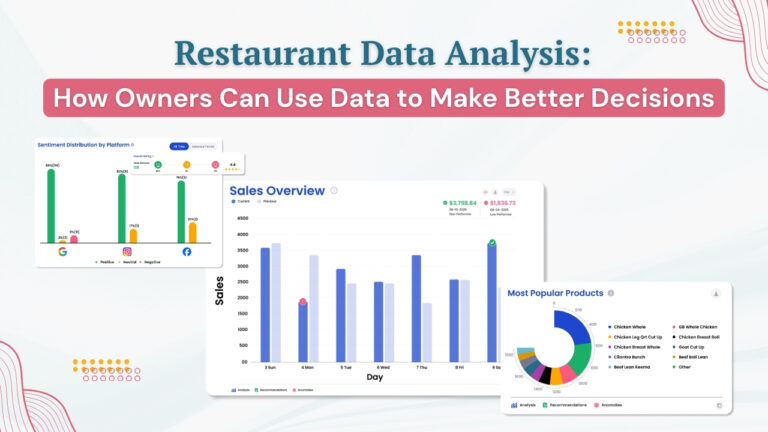
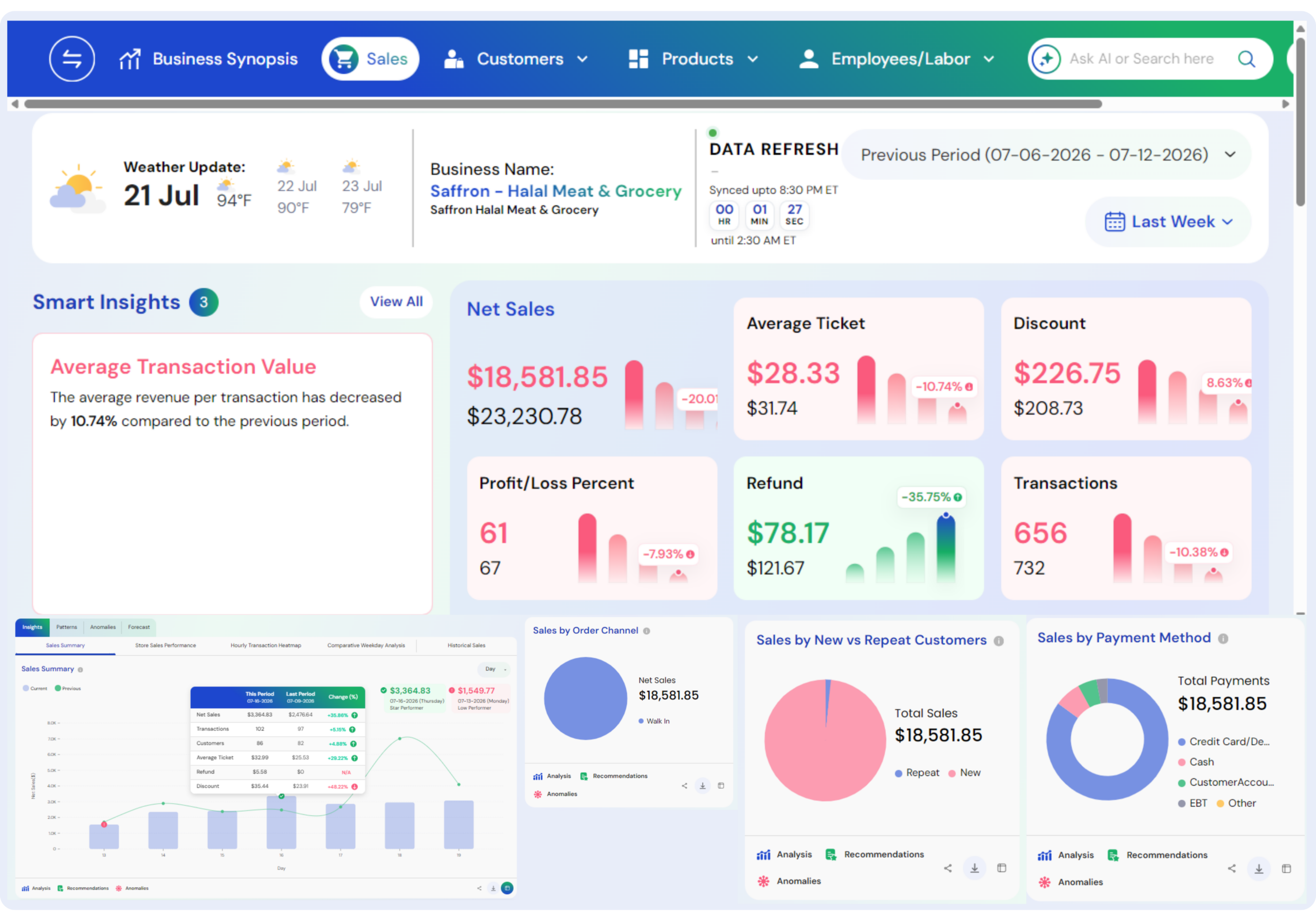
With a multistore dashboard, CFOs can view performance across all locations simultaneously. Real-time integrations pull data straight from your existing tools, eliminating the manual reconciliation that breeds inconsistencies.
The outcome is one version of the truth rather than multiple spreadsheets telling multiple stories.
Detect Anomalies Before They Become Problems
Even well-organized finance teams encounter surprises: missing deposits, inflated labor, or unexpected swings in food cost. These anomalies often go unnoticed until after the fact.
AI-driven anomaly detection can constantly monitor every data stream and flag outliers in real time. That lets leadership address issues right away rather than waiting for end-of-month reconciliations.
Confidence begins by catching mistakes before they compound.
Move from Reporting to Intelligence
Standard dashboards show what happened, but they rarely explain why or what to do next.
By layering predictive models over unified data, you can turn static reporting into prescriptive analytics. CFOs gain insights into underperforming units, simulate staffing changes, or run profitability scenarios instantly.
This is the leap from viewing data to leading with intelligence.
Align Operations and Finance Around the Same Data
When Operations and Finance use separate systems, trust breaks down. Finance doubts numbers from stores; managers doubt finance’s reports. But when both teams work within the same live data environment, these misalignments fade.
A shared source of truth creates alignment, accountability, and confidence across roles — from GMs to analysts to executives.
Audit Less and Trust More
The ultimate goal is not just cleaner spreadsheets, but a culture of clarity. With a platform built for multi-unit restaurants, CFOs no longer have to spend days validating numbers. Instead, they can focus on strategy and insight.
As one finance leader put it: “It is not about more data. It is about believing the data you already have.”
When every number is connected, verified, and transparent, confidence follows naturally.
Take the Next Step
Book a demo with Livelytics and see how AI-powered data intelligence can unify your systems, surface real-time insights, and restore confidence in your financials.
Related Reads on Livelytics
- The True Cost of Blind Spots in Multi-Unit Operations — explore how hidden inefficiencies erode margins and how unified data uncovers them.
- The Blind Spots Costing Your Business More Than You Think — understand how small cracks in operations quietly drain profitability.
- Why Are So Many Restaurants Closing? — insights into cost prediction, budget planning, and the role of AI in preventing shocks.