Introduction
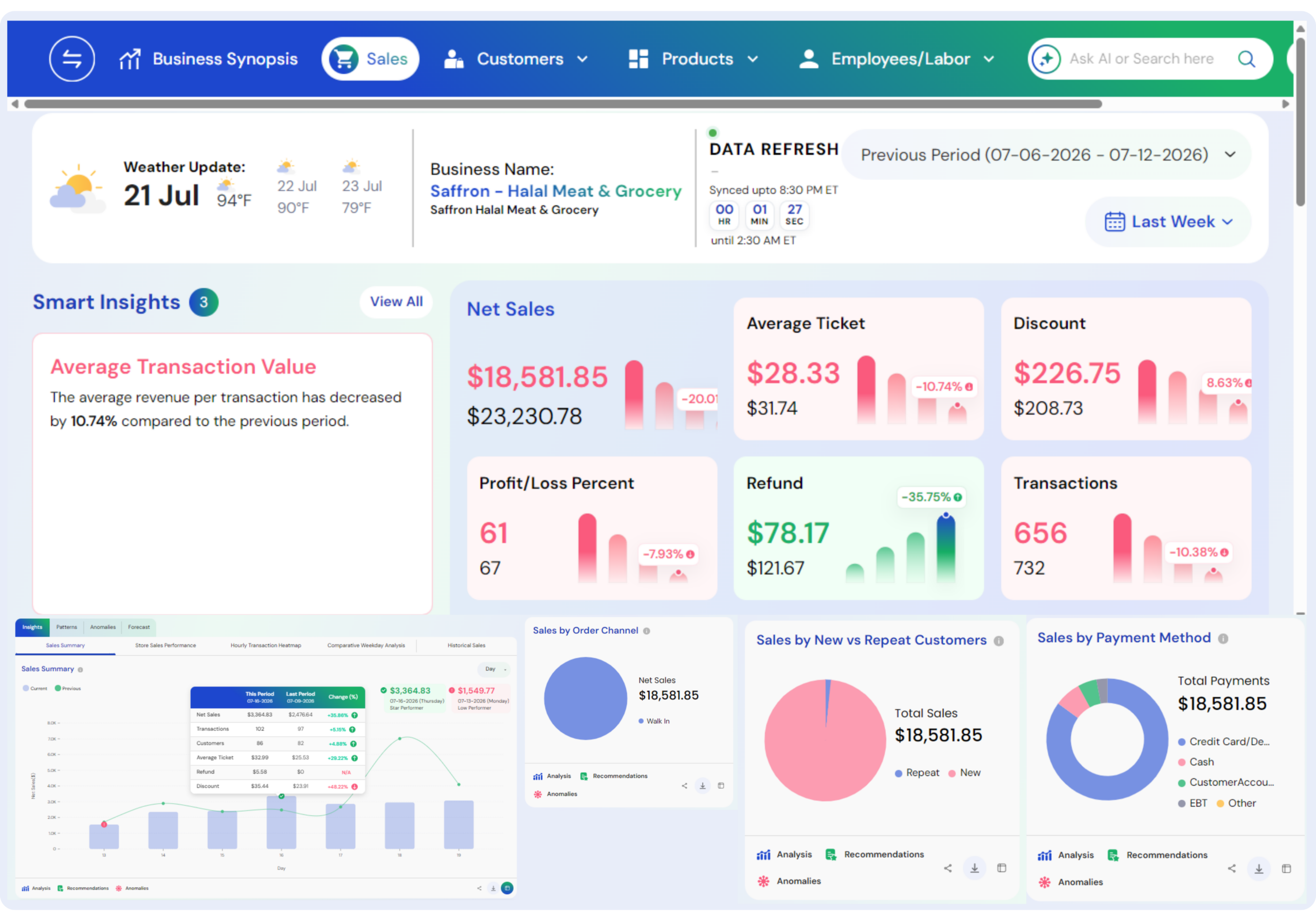
Dashboards were once a breakthrough in business intelligence. They made data more visual, accessible, and shareable. But dashboards only show what has happened. Even predictive dashboards, which attempt to forecast outcomes, stop short of telling decision-makers what to do next.
That final leap, from insight to action, is where prescriptive analytics comes in. This new frontier empowers organizations to act with confidence, by providing clear, data-driven recommendations, not just metrics or trendlines.
In this article, we explore how prescriptive analytics differs from traditional dashboards, why it’s becoming essential in high-velocity business environments, and how organizations can prepare to adopt it.
Why Dashboards Fall Short
1. Dashboards Look Backward:
Most dashboards are descriptive in nature. They summarize historical data, track performance indicators, and help spot anomalies. These are valuable functions, but they rarely lead directly to action.
A 2024 research paper published in Decision Support Systems highlights that while dashboards improve accessibility to information, they often lack the contextual logic needed to inform decisions. The study concludes that “the majority of dashboards serve as monitoring tools, not decision aids.”
2. The Gap Between Insight and Execution:
Dashboards raise questions. Prescriptive analytics answers them.
When an operator sees a sales dip on a dashboard, it prompts further analysis. But they are still on their own to figure out the root cause, evaluate options, and decide what to do. That process slows down decision-making and leaves room for error, bias, or inconsistency.
3. Business Users Want More:
As artificial intelligence becomes more integrated into enterprise tools, expectations are changing. Business users increasingly expect systems to interpret data and guide decisions, not just display numbers.
A recent blog from Sisense notes, “Dashboards are evolving from static reporting tools into active participants in decision-making processes.”
What is Prescriptive Analytics?
Prescriptive analytics goes beyond describing or predicting what might happen. It analyzes potential outcomes, weighs constraints, and recommends the best course of action.
Whereas predictive analytics might tell a restaurant that labor costs will spike on a certain day, prescriptive analytics would recommend how to adjust schedules to prevent that spike—factoring in forecasted demand, labor laws, and employee availability.
Key elements of prescriptive analytics include:
- Optimization: Evaluates multiple scenarios and identifies the best option under given constraints.
- Causal modeling: Moves beyond correlation to understand cause-and-effect relationships.
- Real-time simulation: Allows operators to test “what-if” scenarios and see potential outcomes.
- Recommendation engines: Delivers specific action steps that align with business objectives.
For a technical deep dive, the research paper “Prescriptive Analytics: A Comprehensive Survey” offers over 100 real-world applications and methodologies.
Use cases in action
Prescriptive analytics is already transforming decision-making across industries.
| Sector | Traditional Dashboard | Prescriptive Analytics Example |
| Restaurants | Tracks labor, inventory, and sales trends | Recommends schedule adjustments, reorders, and promotions |
| Supply Chain | Monitors delivery times and cost overruns | Recommends route changes based on traffic, weather, and cost |
| Marketing | Shows campaign ROI and click-through rates | Suggests budget reallocation, audience targeting, or creative tweaks |
| Healthcare | Lists patient vitals and treatment timelines | Suggests next best care steps or resource reallocation |
| Retail | Displays inventory status and turnover rates | Recommends dynamic pricing or restock timing |
One example from the logistics space involves real-time routing. Instead of showing which routes performed worst, a prescriptive platform adjusts routes based on real-time data like traffic and delivery urgency.
How to Adopt Prescriptive Analytics
Transitioning from dashboards to prescriptive analytics is not just a technology shift. It requires new ways of thinking about decisions, processes, and user roles.
1. Start With the Right use Cases:
Choose high-impact decision areas with clear constraints and measurable outcomes. For restaurants, this might include scheduling, food prep forecasting, or promotion timing.
2. Build a Trustworthy Data Foundation:
Prescriptive analytics is only as good as the data behind it. Ensure you have clean, connected, and current data streams. Integrate systems like POS, inventory, HR, and finance.
3. Combine Models with Human Logic:
Use predictive models to forecast outcomes, but layer in business rules, risk thresholds, and human experience. The best systems allow operators to review and adjust recommendations before acting.
4. Focus on Explainability:
Prescriptive systems must explain why they recommend certain actions. This transparency builds trust and supports accountability.
5. Embed Recommendations into WorkFlows:
Recommendations should appear where decisions happen—inside ops tools, team dashboards, or mobile apps. Frictionless delivery boosts adoption.
6. Close the Loop:
Track which recommendations were followed, which were overridden, and what outcomes occurred. Use that feedback to improve future prescriptions.
Barriers to adoption
While powerful, prescriptive analytics is not without challenges:
- Complexity: Optimizing across multiple variables requires advanced modeling and system integration.
- Trust: Users may resist acting on AI recommendations without a clear rationale.
- Data latency: If data is stale, recommendations may be out of sync with reality.
- Overreach: Trying to prescribe everything at once can overwhelm teams. Start small and build.
Even with these barriers, the value of prescriptive analytics is clear. Organizations that successfully adopt it can reduce waste, improve speed, and unlock greater ROI from their data.
Livelytics is your prescription
Dashboards give you visibility. Predictive models forecast. But what should you do? That leap—prescriptive analytics—is the frontier where insight becomes action.
And that’s what Livelytics does: prescriptive analytics.
With prescriptive analytics, you don’t just see trends—you get recommendations:
- Optimize supply chain routing in real time
- Reallocate marketing budgets dynamically
- Adjust maintenance schedules proactively
But it’s not magic. The shift demands:
- Clear, high-value use cases
- Data integration and real-time pipelines
- Optimization and causal modeling
- Explainability and human oversight
- Strong adoption, governance, and feedback loops
At Livelytics, we don’t stop at dashboards. We embed decision logic so your analytics become engines of action. If you’re ready to cross from insight to decision, let’s make your data do more.
Reach out to explore how we can architect prescriptive analytics for your business.